

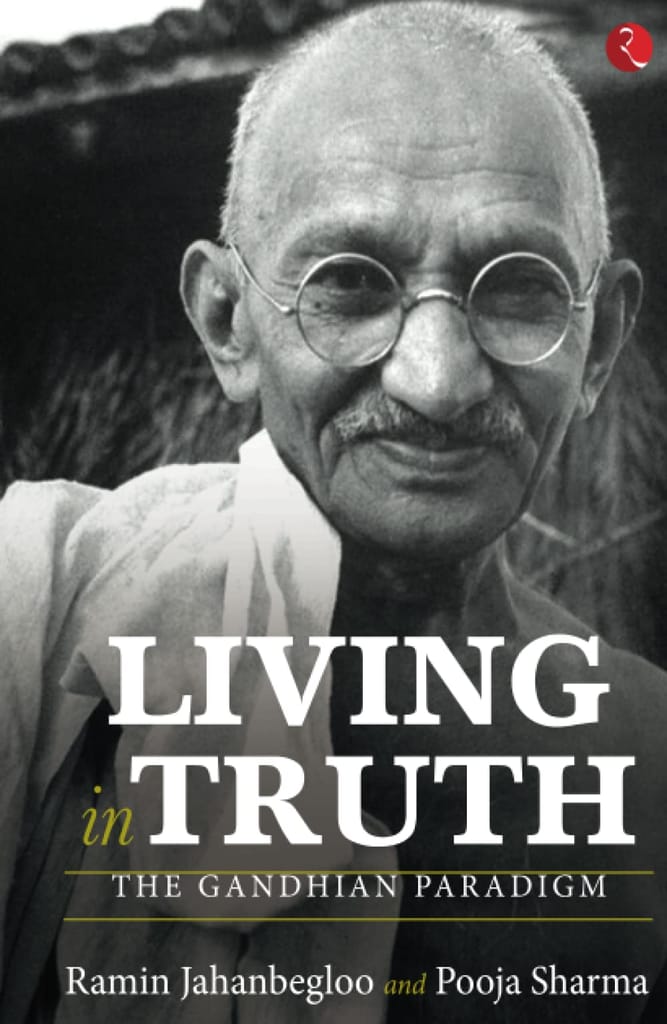
Mahatma Gandhi’s relevance to India and the world is much more than ever before.
Driving this urgent need for bringing back Gandhi in ourives are two main factors: firstly,
contemporary politicsacks moraleaders, and, secondly, democracies around the world have
abandoned the empowerment of the weakest in favour of the economic and political supremacy
and hegemony of the strongest. Gandhi’s view of democracy was exactly the opposite. He said, ‘The
weakest should have the same opportunity as the strongest. That can never happen except through
non-violence.’ The Gandhian paradigm is based on truthfulness and non-violence and establishing
an essential relationship between social awareness and common humanity. For him, politics as the
art of organizing the society was a path to self-realization and autonomy of the individual and the
community.
Gandhi usually spoke of truth in terms of self-experience, rather than universal cognition. He said,
‘Truth resides in every human heart, and one has to search for it there and to be guided by truth
as one sees it.’ Gandhi considered the search for truth as an integral part of his non-violence and as a vital component of the relationship of the private to the public.iving in Truth is therefore an
effort to go beyond (para) of our ‘everydayness’, to show (deiknynai) the relationship between the
ideal and the real. It is a manner of raising the ethical aspiration of citizens and the non-violent
essence of the government.