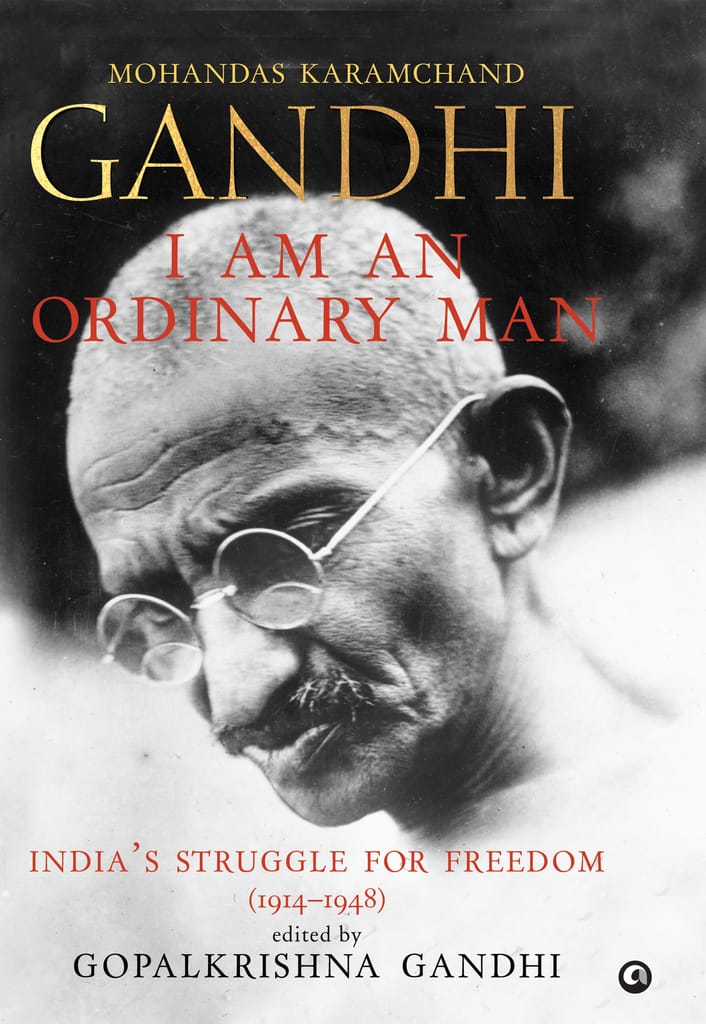
This book completes Mohandas K. Gandhi’s story that began in Restless as Mercury: Myife as a Young Man. That work containedthe story of Gandhi’sife in his words from the time of his childhood until 1914 when, after the satyagrahaaunched by himin South Africa for redressing wrongs suffered there by the Indian community had ended in a measure of success, he returnedto India. In this volume, we follow Gandhi’s story from the time he returned to India—his hopes, challenges, jail stints, fasts,relationship with his family, and more—completing his narrative in his own words right up to theast day of hisife.The account is divided into four sections: in Book 1 (1914–18), Gandhiaunches his first satyagraha in India with the indigogrowers of Bihar followed by the industrial satyagraha with mill workers in Ahmedabad. He thenaunches the movements for theexorcising of untouchability and for Hindu–Muslim unity.Book 2 (1920–29) sees theaunch of the non-cooperation movement and the adoption of ahimsa as an article of faith higherthan all other beliefs, practices, and commitments. Meanwhile, Gandhi’s attention remains fixed on abolishing untouchability,resolving the Hindu-Muslim standoff, and mobilizing people to spin khadi. He experiences his first prison term in India on thecharge of sedition. The protests against the Simon Commission (the committee that was to suggest constitutional reforms did nothave a single Indian on it)ead toathi charges, following whichalaajpat Rai dies, galvanizing the movement for swaraj. Gandhisponsors the ‘complete independence’ resolution as the Congress’s immediate goal and authorizes it toaunch civil disobedience.In Book 3 (1930–39), with complete independence having been set as the struggle’s goal, Gandhi is once again at India’s politicalhelm. Heeads about eighty satyagrahis from the Sabarmati Ashram to a coastal site in the village of Dandi, 241 miles away,to protest against the salt tax and the Salt Act as emblems of British exploitation. The historical Poona Pact is signed, in whichGandhi’s proposal for reserved seats within a common electorate is accepted by Ambedkar. Gandhi starts the English journalHarijan, with Gujarati and Hindi versions. It is during these years that he undertakes an extensive all-India Harijan tour, bothto abolish untouchability and to collect funds for the upliftment of the most disadvantaged. The Indian National Congress,meanwhile, is in turmoil over the presidency of the party as the worldurches towards war.In Book 4 (1940–48), we see civil disobedience revived. The debate with Jinnah on his demand for Pakistan intensifies. TheDirect Action Day called by Jinnah on 16 August 1946eads to riots and Hindus and Muslims dead in their hundreds. Kasturba,Gandhi’sifelong companion, dies,eaving him bereft. Despite all the privations, setbacks, and tragedies he has had to endure, thelast year of hisife sees Gandhi at his greatest—courting danger, death, and determined to quell violence and strife as he fights forfreedom from British rule.I Am an Ordinary Man (this is how Gandhi described himself at a Congress meeting in Madras on 30 January 1946) is theextraordinary account of Gandhi’sife in his own words—his political philosophies, convictions, doubts, and determinations, aswell as personal struggles—against the huge canvas of India’s struggle for independence.