
-38%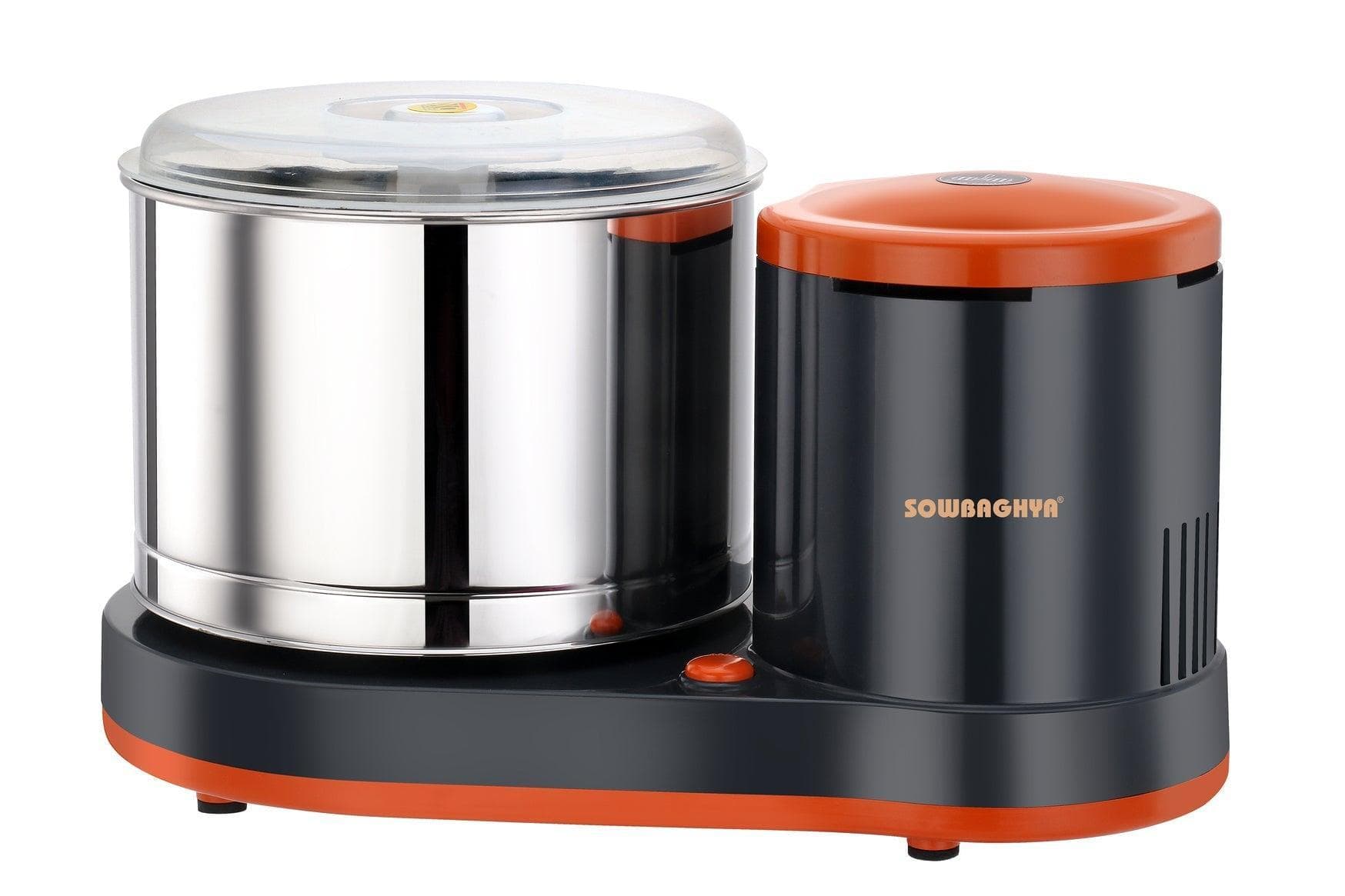
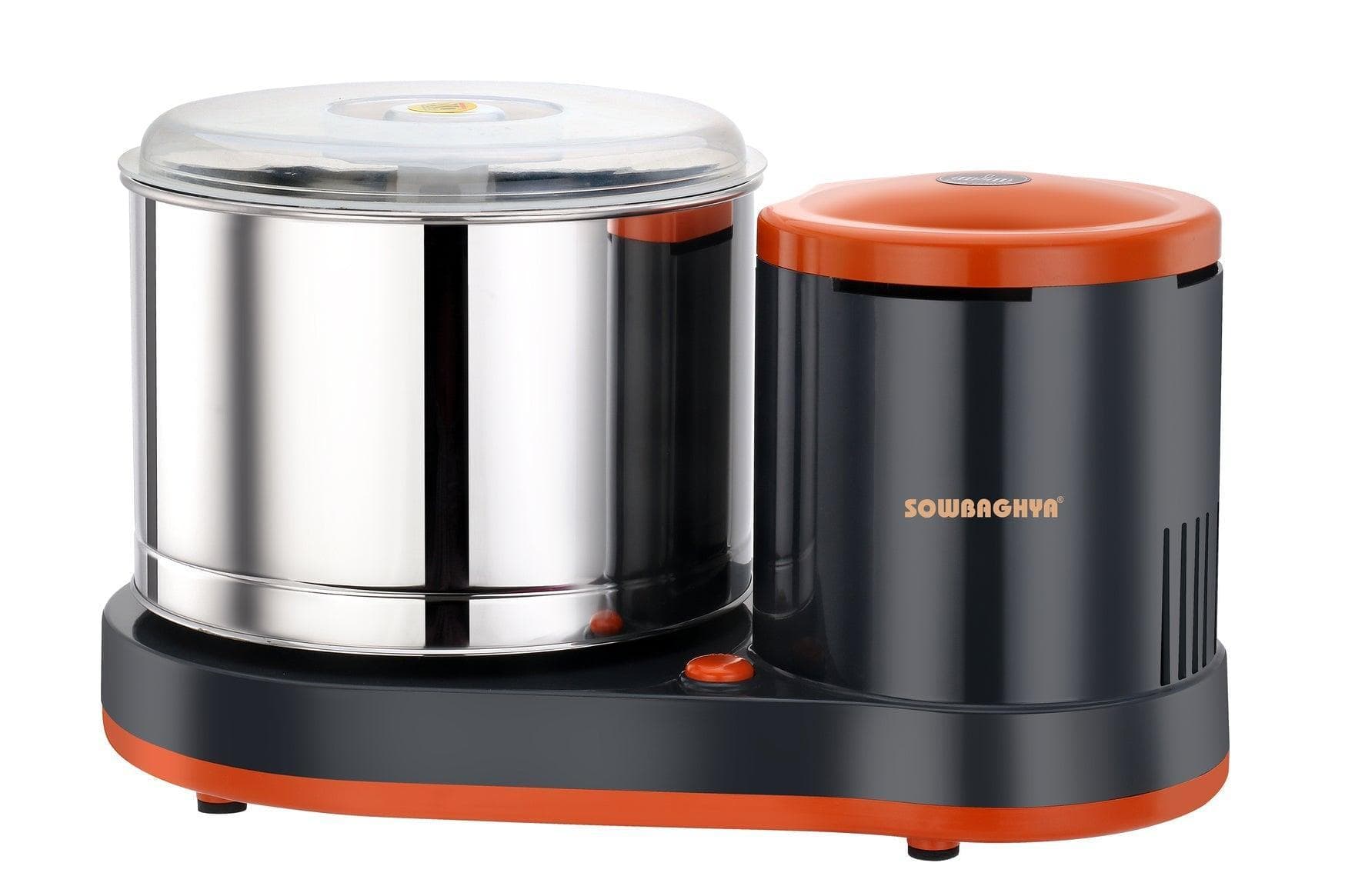
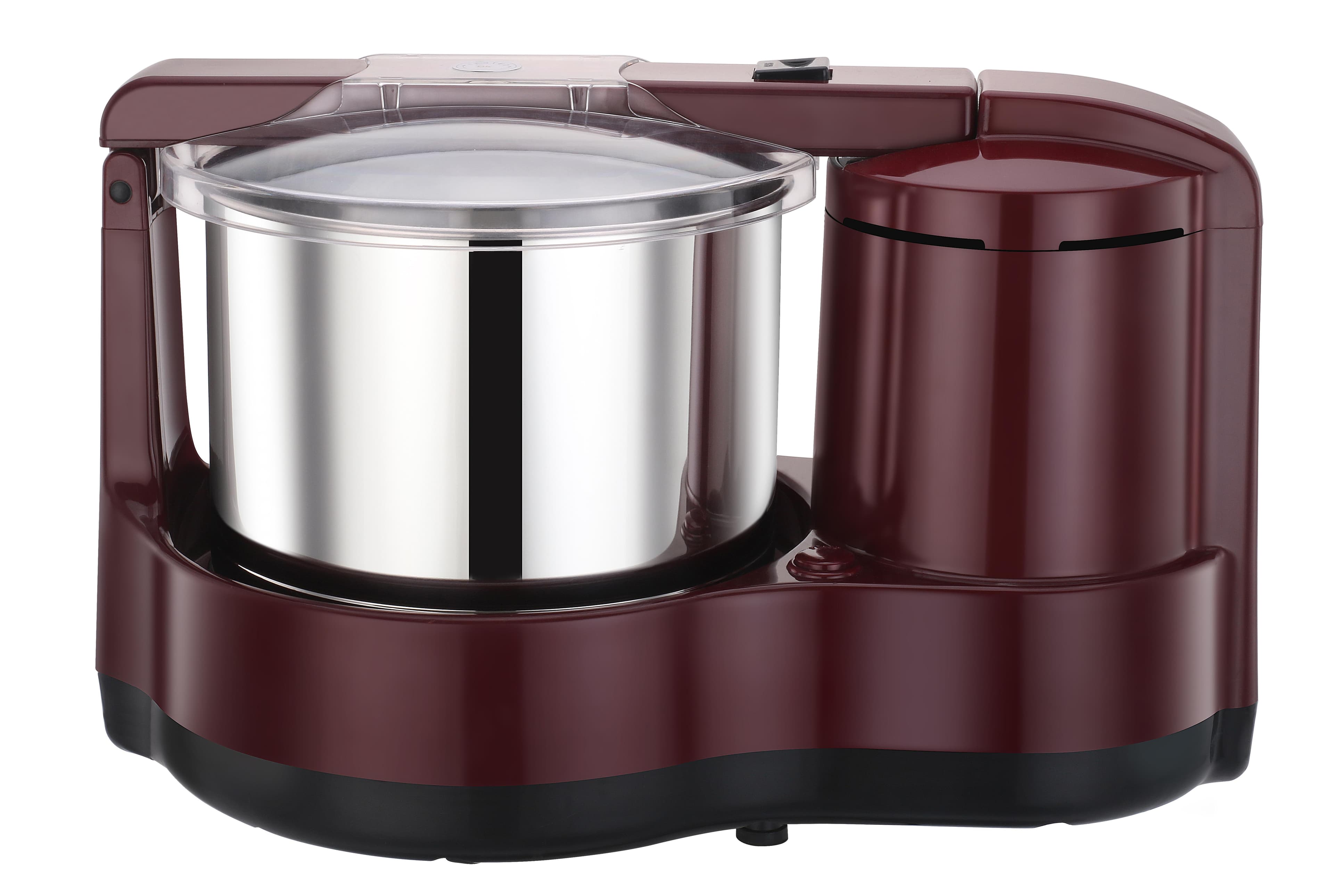
3 Lit JUMBO Wet Grinder - Grey
₹8,000₹12,899
Buy Now
Brand: SOWBAGHYA
You save ₹4,899
Inclusive of all taxes
MAKE UNBOXING VIDEO
Quantity
Why buy from Zillybuy?
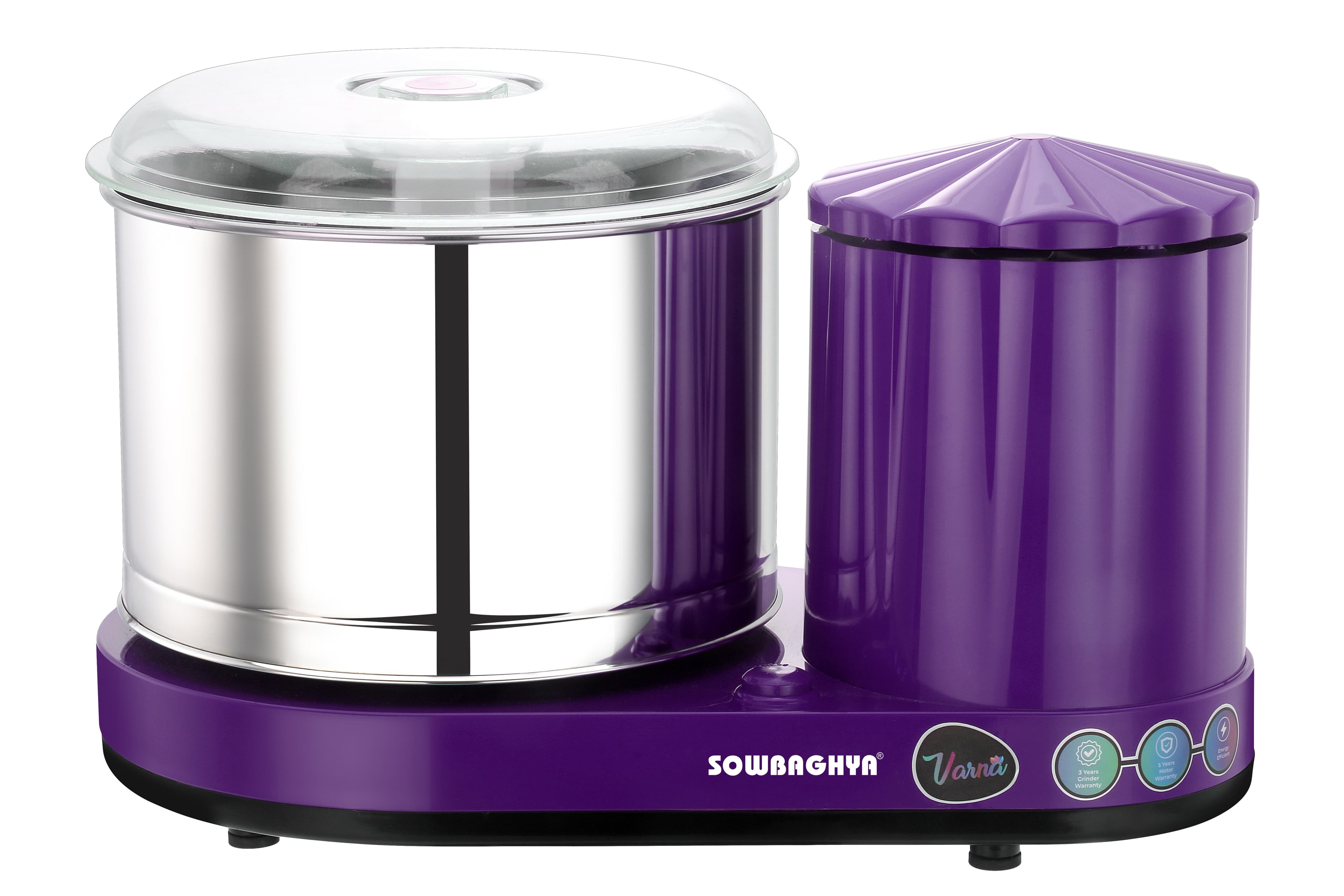
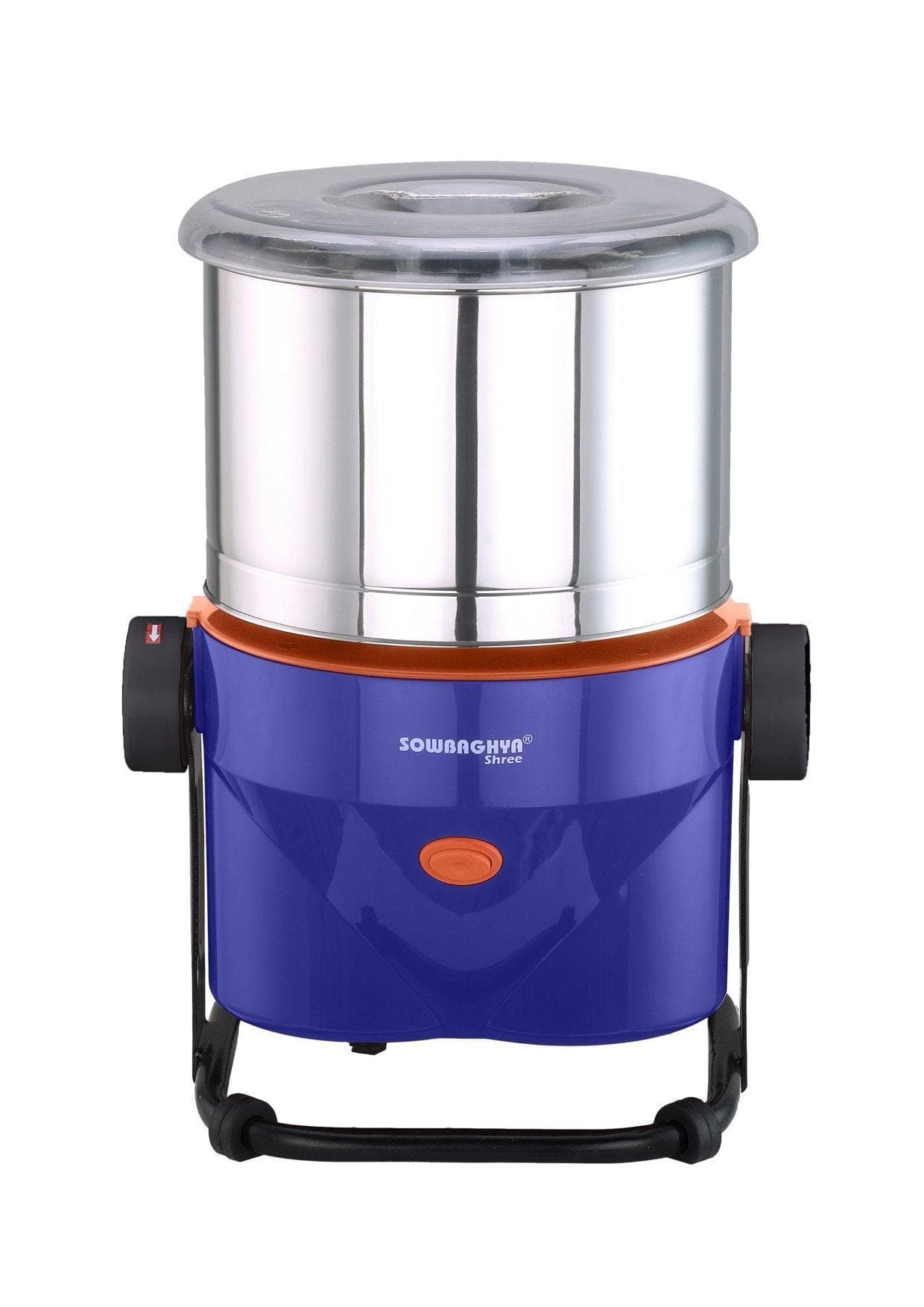
The violet Sowbaghya Shree combines a tilting drum with traditional stone grinding. Its 2-litre drum tips forward so the batter pours straight into your vessel, and rinsing takes less effort. Two black cylindrical stones turn at 960 RPM to grind soaked rice and dal slowly into a smooth, airy batter, and the thread type lock keeps them firm. Sowbaghya gives a 3-year warranty.
Soak your rice and dal in advance. Fix the stones in the drum, tighten the thread lock and switch on. Add the grains a little at a time with some water and grind until smooth. Switch off and unplug, lift out the stones and tilt the drum to empty it. Rinse, wipe and dry.
Families who want stone-ground batter without lifting a heavy drum, and buyers who prefer a less common colour on the counter.
One Sowbaghya Shree 2-litre tilting wet grinder in violet. Let the drum and stones air-dry fully, then store the grinder covered in a dry place.
Manufacturer Name: SOWBAGHYA
Manufacturer Address: Sowbaghya warehouse, No, 16 Balaji Nagar, Thirumullaivoyal, Chennai 600062
Country of Origin: India
| Brand | SOWBAGHYA |
| Product Type | Tilting Wet Grinder |
| Model | Shree |
| Colour | Black |
| Weight | 15250 |
| Wattage | 220 V Ac 50 Hz / 110 V Ac 60 Hz |
| Warranty | 3 Years |
| Country of Origin | India |
| Manufacturer / Packer | SOWBAGHYA |
| Returnable | No |
Yes. The tilting drum lets you rinse it in place and pour out the water without lifting the grinder. Remove the stones and wash them separately for a thorough clean.
You can grind batter for idli, dosa, vada and uttapam. The two black stones grind slowly at 960 RPM, giving a smooth and airy batter for South Indian breakfasts.
It has a 2-litre drum. Add soaked grains in stages and keep some room at the top so the stones can move freely and grind evenly.
Sowbaghya lists a 3-year warranty on this grinder. Keep your invoice and the warranty card together so service is easier if you ever need it.
Many families grind urad dal first, then rice, and mix them before fermenting. This lets each grind to the right texture. Follow your own family recipe for proportions.
Based on 0 ratings
More to explore